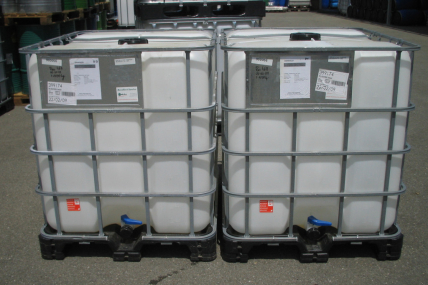
A 1,000-litre tank used for rainwater harvesting should be maintained regularly. Over time, deposits, dust, leaves or traces of algae may appear inside the tank.
Cleaning helps keep the installation clean, check the condition of the fittings and limit the build-up of dirt.
Why clean a 1,000-litre tank?
Even with a filter, small particles can enter the tank with rainwater and eventually settle at the bottom.
Cleaning helps to:
- remove deposits
- clean the walls
- check the filters
- inspect seals, fittings and valves
- identify any leaks or damage
The cleaning frequency depends on the environment and the amount of debris coming from the roof.
How do you know when cleaning is necessary?
Several signs may indicate that it is time to clean the tank:
- significant deposits at the bottom
- green marks or algae growth
- water that is cloudier than usual
- an unusual smell
- a filter that regularly becomes clogged
Cloudy water or an unusual smell should prompt you to check the entire installation, not just the tank.
How to clean a 1,000-litre tank step by step
1. Drain the tank
Start by emptying the tank as much as possible.
If the remaining water can still be used for watering, make use of it before cleaning.
Then open the valve or tap. A small amount of water may remain at the bottom of the tank once the level drops below the outlet.
2. Remove deposits
Once the tank is almost empty, remove any deposits from the bottom, such as light sludge, leaves or other particles.
Use suitable equipment and avoid sharp or highly abrasive objects that could damage the plastic inner container of the IBC tank.
3. Clean the walls
Rinse the walls with water to loosen any dirt.
A water jet may be sufficient when deposits are light.
If algae or more stubborn dirt is present, use gentle mechanical cleaning.
Be cautious when using chemical products. Do not use aggressive products without first checking that they are compatible with the tank material, seals and intended use of the water.
Also avoid mixing several cleaning products.
4. Rinse the tank
Rinse the inside of the tank thoroughly to remove any residue.
If deposits remain at the bottom, repeat the process until the result is satisfactory.
5. Clean the filters and rainwater harvesting system
Use the cleaning process as an opportunity to check:
- the gutters
- the grilles
- the filters
- the rainwater collector
- the pipes
- the overflow
A clean filter reduces the amount of debris reaching the tank.
You can find tank-related equipment in our range of rainwater harvesting tanks.
6. Check the seals, fittings and valves
An empty tank is easier to inspect.
Check the condition of:
If any part is damaged or leaking, it is best to replace it before putting the tank back into service.
7. Put the tank back into service
After cleaning:
- close the valve properly
- put the filters back in place
- check the connections
- make sure the overflow remains unobstructed
- reposition the cap correctly
During the first rainfall, simply check that no leaks appear.
How can you prevent the tank from getting dirty too quickly?
Between cleanings, a few simple actions can help reduce the build-up of dirt:
- clean the gutters regularly
- maintain the filters
- monitor deposits
- check the fittings
- keep the cap closed
It is also useful to limit the tank’s exposure to light.
A translucent tank exposed to sunlight can encourage algae growth. Installing the tank in the shade, choosing an opaque model or using a cover can help reduce this problem.
What should you do before winter?
Before freezing temperatures arrive, check the exposed parts of the installation.
Depending on the setup, it may be useful to drain certain pipes, protect the fittings and valve, and check that the overflow is working correctly.
Avoid adding antifreeze or a similar product directly to the water in the tank.
Mistakes to avoid
When cleaning a 1,000-litre tank, avoid:
- sharp tools
- unsuitable chemical products
- mixing several products
- forgetting to clean the filters
- blocking the overflow
- using excessive force on the fittings
It is also not recommended to enter an IBC tank. Cleaning should be carried out from the outside using suitable equipment.
In summary
To clean a 1,000-litre tank, the main steps are to drain it, remove deposits, clean the walls, rinse it, and then check the filters and connections.
Regular maintenance of the gutters and filters, combined with limited exposure to light, helps keep the tank cleaner for longer and reduces algae growth.